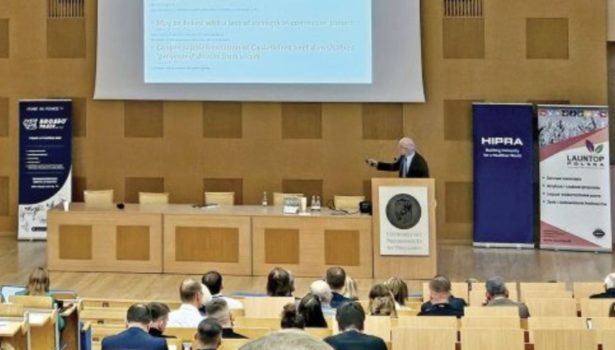
Niedokrwistości ze szczególnym uwzględnieniem anemii immunohemolitycznych – cz. I. Ostre przypadki hematologiczne od diagnozy do leczenia – na podstawie przypadków klinicznych
Evaluation of anemia – part I. Based on clinical cases
Anemia is a condition, not a diagnosis. True or absolute anemia is defined as a decrease in erythrocyte mass within the body. The HCT, hemoglobin, and RBC count values are usually below their reference intervals; however, anemia can sometimes be masked by concomitant dehydration.
Anemia is classified in various ways to assist in determining its specific cause so that effective therapy can be given. In addition to past history, presenting complaints, and laboratory findings, results of other test procedures (e.g. diagnostic imaging) are important in reaching a final diagnosis.
Anemia may occur due to blood loss, increased erythrocyte destruction, or decreased erythrocyte production.
Factors that can be useful in categorizing anemia into these broad causes (and often into more specific causes) include reticulocyte counts, erythrocyte indices, erythrocyte morphology on stained blood films, the appearance of plasma, plasma protein concentration, serum iron measurements, serum bilirubin determination, direct antiglobulin test, and bone marrow evaluation (4).
Clinical evaluation
Clinical assessment is peformed looking at:
- normal HCT with low TPP – gastrointestinal protein loss, proteinuria, severe liver disease, vasculitis;
- normal HCT with normal TPP – normal;
- normal HCT with high TPP – increased globulin synthesis, dehydration-masked anemia; [...]

którzy są subskrybentami naszego portalu.
i ciesz się dostępem do bazy merytorycznej wiedzy!



POSTĘPOWANIA
w weterynarii